
{{format_dollars}} {{start_price}} {{format_cents}} {{promotional_format_dollars}} {{promotional_price}} {{promotional_format_cents}} {{term}}
(Extension by {{format_dollars}}{{start_price}}{{format_cents}}/month + taxes)
{{action button}}{{format_dollars}} {{start_price}} {{format_cents}} {{promotional_format_dollars}} {{promotional_price}} {{promotional_format_cents}} {{term}}
(Extension by {{format_dollars}}{{start_price}}{{format_cents}}/month + taxes)
{{action button}}[unable to get full text content]
On Boxing Day, a man asked Ms. Hinch's Cleaning Tips Facebook group, "What's the best way to clean a microwave please?" Luckily it didn't take long...Spinach leaves are a favorite of many. This versatile leafy green can be incorporated into a variety of dishes. Packed with nutrients, many nutritionists and dieticians recommend spinach as a superfood. However, it's not about adding spinach to your diet to get the most benefits. Proper cooking methods must be followed
With the arrival of winter, the market is enriched with fresh green leafy vegetables. Although it's available all year round, the cold season brings the best. However, this nutritional camp requires following a few simple cooking tips to get the most of its benefits. The secret to getting the maximum health benefits from these leafy greens lies in knowing their cooking methods. The cell walls of spinach leaves are broken down during cooking, increasing the bioavailability of its nutrients. One of these is iron, a necessary mineral that supports our immune system and facilitates the flow of oxygen between cells. About 0.8 milligrams of iron are in 1 cup of raw spinach, while 3.2 milligrams are in 1/2 cup of cooked spinach.
Collection and cleaning rules.
Fill a colander with fresh spinach leaves. Check the leaves and remove any that are sticky or wilted. Rinse the remaining spinach well in cold water. As you rinse, shake the strainer to stir the leaves and make sure all the dirt is washed out.

Spinach in a colander, Image source: Pexels
measure before cooking
Be careful how much spinach you want to eat. It is advisable to weigh it before cooking. Cook fresh spinach leaves to about 1/3 cup of a 1-cup serving. So if you want to eat one cup of cooked vegetables, multiply the serving size by three.
Cook with water and oil
To cook spinach with oil, drizzle a little olive oil or your choice of oil into a hot pan. Oil has the best adhesion resistance, but it also adds calories and fat. So does water. To fry the prescribed amount of spinach leaves, add them to the pan with the oil. Alternatively, blanch in water. While cooking, stir the leaves and transfer to a plate. When the spinach leaves turn a darker green and start to wilt, they're done. Overcooking makes it slimy.

Grilled Spinach, Image Source: Freepik
broth benefits
You can incorporate spinach leaves into soups and stews towards the end of cooking instead of sautéing them in oil or boiling them in water. Any nutrients that escape from the leaves are absorbed by the broth they are cooked with.
Did you know that the average trucker in the United States drives over 125,000 miles each year? Running a trucking and trucking business is a great way to grow your wealth, but you will face a major challenge when it comes to finding a way to manage your fleet's fuel costs. One of the main goals of fleet management is finding a way to deliver while improving fuel efficiency.
Small things like fuel delivery services make a big difference, but there are other things you can do to take your fleet fuel management to the next level. The good news is that you've found the perfect guide to reducing your fleet's fuel costs and running an efficient business.
Keep reading this article to learn more about how you can start reducing your fuel costs today!
One of the most wasteful practices in the trucking industry is to leave the engine idling for long periods of time. If you let your truck engine idle, you're wasting almost a liter an hour. Tractor units are the biggest culprit for idling, wasting more than 1,000 gallons of fuel every year when the engine is idling.
A good way to eliminate this practice is to have drivers turn off their engines when making or receiving deliveries. It's also a good idea to consider turning off the engine when drivers are stuck in traffic on the highway. Warming up the engine before driving is also a big waste of fuel. So try to train your drivers to get in the truck and drive.
Driving habits are another major reason for our fleet's rising fuel costs. Many trucking companies are turning to GPS tracking for fleet fuel management. With a GPS tracker, you can track the speeds of your drivers and the routes they take when making deliveries.
A good driver saves a significant amount of gas compared to a bad driver. Training will go a long way, but using GPS tracking to monitor your drivers will help you save tons of money on fleet fuel later. By combining with Bulk Fuel Delivery you can deliver faster and reduce costs.
Another effective way to reduce fuel costs for your fleet is to stay proactive with vehicle maintenance. Poorly maintained vehicles run less efficiently. Properly tuned engines save you money when filling up your vehicle fleet.
Not only do you save money on the fuel in your fleet, you also save money on repairs. Engine repairs on your trucks are a big expense, but paying for maintenance saves you that big expense. This, combined with lower fleet fuel costs, makes vehicle maintenance a breeze.
Working together with your drivers is also an effective form of fleet management when you operate a fleet of trucks. The GPS technology that allows you to monitor your driving habits is also perfect for planning the routes your drivers have to take during deliveries.
This GPS technology not only helps you save money through good driving habits, but also helps you find the most efficient routes for your drivers. You can prove the delivery and collection points with GPS tracking. Your drivers not only save time, but also a lot of fuel thanks to successful route planning.
Fuel cards are a great addition to your fleet management strategy for a number of reasons. It will be much easier for you to keep track of specific drivers' fuel costs, and it will be easier for you to estimate the future expenses of your fleet. The main reason to consider a fuel card is the money you will save in the future with this option.
Many fuel cards offer discounts and rewards to users who choose to fuel their vehicle in this way. You'll spend less on fuel and help your drivers get their deliveries done as quickly as possible. It is also an effective way to counter fuel theft by drivers.
Weight also plays a role in determining the cost of continuing to supply your fleet. Adding a few hundred pounds to your truck may not seem like a lot, but that extra weight will increase your fuel bills on a longer trip. It's easy for your gas bills to go up if you put unnecessary strain on the trucks in your fleet.
If you're concerned about your fleet's fuel costs, look for ways to reduce the weight of your trucks. You should also avoid exceeding the truck's advertised payload as it will save you money on gas and keep your drivers safe while on the job.
Rush hours reduce the fuel consumption of your truck fleet. So if you want to reduce fuel consumption, you should encourage off-peak driving. Set your drivers to get stuck in rush hour if they get stuck on the road during rush hour.
Traffic will be much lighter if your drivers focus on driving at night rather than early morning or afternoon. It should be noted that road construction is often busier at night than in the morning.
The biggest concern for many fleet managers is finding ways to reduce fleet fuel costs each year. Reducing engine idling and monitoring driving habits is a great way to improve fleet fuel management. You should also encourage your drivers to avoid driving during rush hour and consider offering them fuel delivery services. Please check out the rest of our blog page if you see more encouraging and supportive content like this!

Khalil ur Rehman was proudly born and raised in Abbottabad. Khalil worked as a journalist for almost a decade, having contributed to several major publications including Yahoo News and The Verge. As a reporter for The Hear Up, Khalil covers climate and science news. [email protected]
Posts viewed: 12
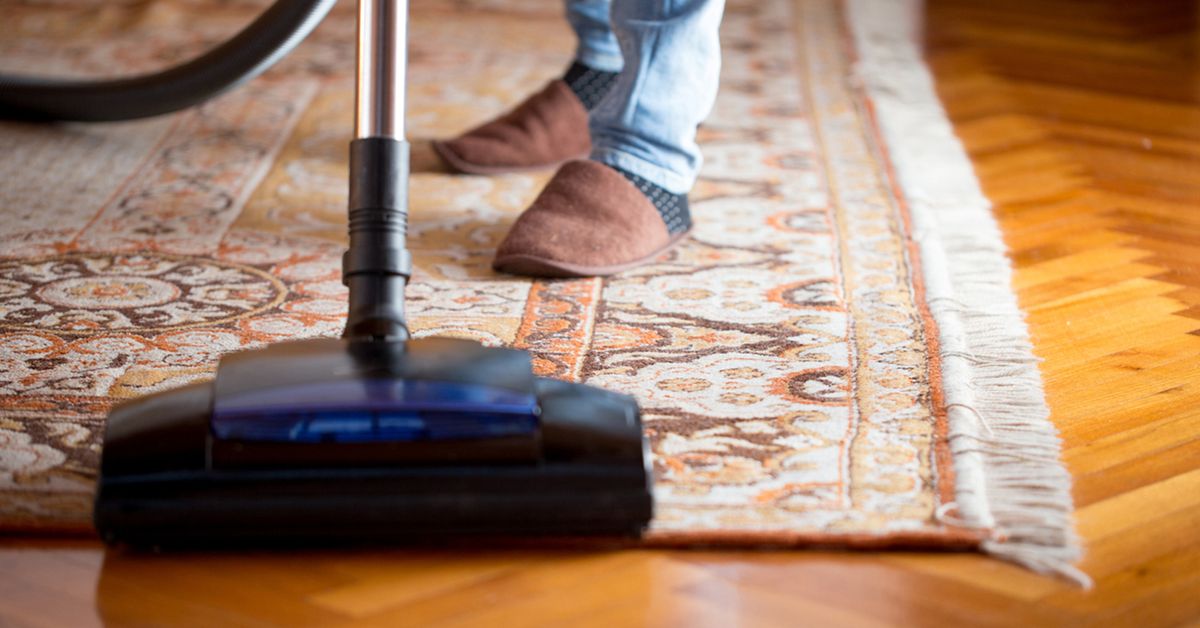
Let's face it, keeping a tidy house with our busy lifestyle isn't that easy...is it?
Some people manage to keep their homes spotlessly clean at all times, and it's surprisingly easy to do yourself.
We have eight very simple tips that will help you master the housework and have your house search ready at all times.
Click on safety tips to keep your home spotless.
Double-glazed windows offer many benefits, from better energy efficiency to increased security. Unfortunately, these windows can be expensive to install and maintain. That is why it is important to take the necessary measures to ensure that your windows remain in good condition and last a long time. In this blog post, we share some tips on how to take care of your double glazed windows so they remain a valuable part of your home or office for years to come. Read on to learn more about taking care of your windows, from regular cleaning and inspection to professional repairs or replacements when needed.
To clean your double glazed windows you will need:
1. A soft cloth or sponge
2. Mild detergent or soap
3. Hot water
4. A vacuum cleaner with an attachment for cleaning the window rails
Start by cleaning the windows with a soft cloth or sponge to remove surface dirt. Next, mix a mild detergent or soap with warm water and use this solution to clean the windows. Be sure to rinse the windows with clear water afterwards to remove any residue. Finally, use a vacuum with a window rail cleaning attachment to remove dirt and debris from the rails.
Assuming the problem is with the window itself and not the frame, there are several things you can do to try and fix your double glazed windows.
First check the seals on the edges of the panels. If they are cracked or broken, you must replace them. You can do this yourself by purchasing replacement seals from a hardware store, or you can hire a professional window repair company to do this for you.
If the problem is with the windows, you may be able to replace them yourself. However, if they are bulky or difficult to access, it is best to consult a professional.
After replacing the seals or glass, be sure to clean the windows regularly and check for future problems.
If you have double glazed windows it is important to take steps to prevent condensation. If condensation forms on the inside of the windows, mold can develop. Here are some tips to avoid condensation on your double glazed windows:
1. Keep your home well ventilated. Ensure adequate ventilation in your home, especially in rooms with double-glazed windows. You can do this by regularly opening windows and doors or by using an exhaust fan.
2. Use a dehumidifier. If you find that condensation is a problem in your home, you may need to use a dehumidifier to control humidity.
3. Radiator protection. If you have a radiator under your double glazed window, install a radiator screen to reflect heat back into the room and prevent condensation from forming on the glass.
4. Insulate around your windows. Make sure there are no gaps or cracks around double-glazed windows that allow cold air to get in and warm air to escape. This helps maintain the temperature in your home and reduces the risk of condensation forming on your windows.
Double glazed windows are a great way to improve the energy efficiency of any home, but they require a little extra care and attention to keep them looking their best. With a few simple tips, you can keep your double glazed windows in top condition and ensure they continue to perform at their best for years to come. Regular cleaning, periodic inspection of joints and components and, if necessary, replacement of fogged panes are key elements for the proper functioning of double-glazed windows.

Your house might look great after a quick cleaning, but that doesn't mean your house is really clean everywhere. It's easy to overlook certain features and areas of your home that you don't use often. Sure, it's easy to think about cleaning your Keurig coffee maker or washing machine, but are you also thinking about cleaning that delicate space between your oven and kitchen cabinets ?
Hidden germs and dirt can linger in unexpected places, but I've listed nine spots in your home that you may have overlooked that you should put an effort into next time you deep clean. (See How to Clean Workout Clothes and How to Clean a Yoga Mat for more cleaning tips .)

Microwaves get a lot of spatter, and even if you clean the sides and glass top regularly, you might be missing another important part: the roof.
Vera Peterson, President of Molly Maid, said the best way to cleanse this delicate area is to add 1/4 cup vinegar to 1 cup water and microwave the solution for three minutes. The walls inside the oven become coated in hot, acidic moisture, so you can simply scrub away stuck food with a sponge.
You may know that you should empty the lint trap after every load of laundry you dry, but did you know that you should also give your dryer vents a thorough cleaning at least once a year? Scott Thomas, systems manager at Dryer Vent Wizard, says you need to take an extra step if you use dryer sheets frequently.
"Dryer towels leave a wax buildup on the lint filter and can start fires," Thomas said.
The vents are best cleaned with warm, soapy water and an old toothbrush. Thomas recommends cleaning the air vents every three to six months.
Many people watch TV every day but don't consider it part of their weekly dusting routine. Peterson recommends keeping your TV cleaning routine simple: just quickly run a feather duster or microfiber cloth over the vents, speakers, and other crevices.
If the screen itself needs additional cleaning, use a mild cleaning solution labeled safe for electronic screens. Also pay attention to the amount of cleaning solution you use.
"Your television is an electronic [device], so it should never be overloaded with products," Peterson said. "Always spray onto your cloth, never directly onto the device."

Many people watch TV every day but don't make it a part of their weekly cleaning routine.
Emilie Manevska/Getty ImagesBecause it's usually quite small, most people are unaware that the space between the oven and kitchen cabinets or walls can create a huge mess. Because you cook and prepare meals in this area, crumbs, spills and splashes can quickly accumulate, which can lead to odors.
You only have to look up to see the dust and dirt that can collect on your ceiling fan blades. However, there is a simple solution.
Simply disconnect the power supply to the fan and place a ladder or step stool underneath. Slide a pillowcase over each sheet in turn, using the top to clean the sheet and the bottom to catch dirt. Then use a lint-free cloth sprayed with an all-purpose cleaner to remove any remaining dirt and wipe the base and lamp.
Read more: Take extra care of your ceiling fan. could save you money

If you regularly use small kitchen appliances like a blender, food processor, or coffee grinder, you know how difficult it can be to clean every nook and cranny. This set of cleaning brushes is designed to get into even the hardest-to-reach places on virtually any device you own. As a bonus, you can also use them for general cleaning in the bathroom or kitchen.
You will receive price alerts for professional cleaning tips!
There are many surfaces in the kitchen where heavy dirt can accumulate. Your cutlery tray may seem like a surface that stays clean since you only place freshly cleaned cutlery on it after rinsing, but that's not really the case.
Peterson says that many utensils are not completely clean after a wash, which in turn soils the cutlery tray.
The good news is that you only have to take care of this task once a month. Simply remove all your cutlery from the tray and dispose of the waste in your bin or sink. Using a mixture of two parts water and one part distilled vinegar, dampen a clean cloth and wipe down the bowl. If the tray is dishwasher safe, you can also run it in a cycle.
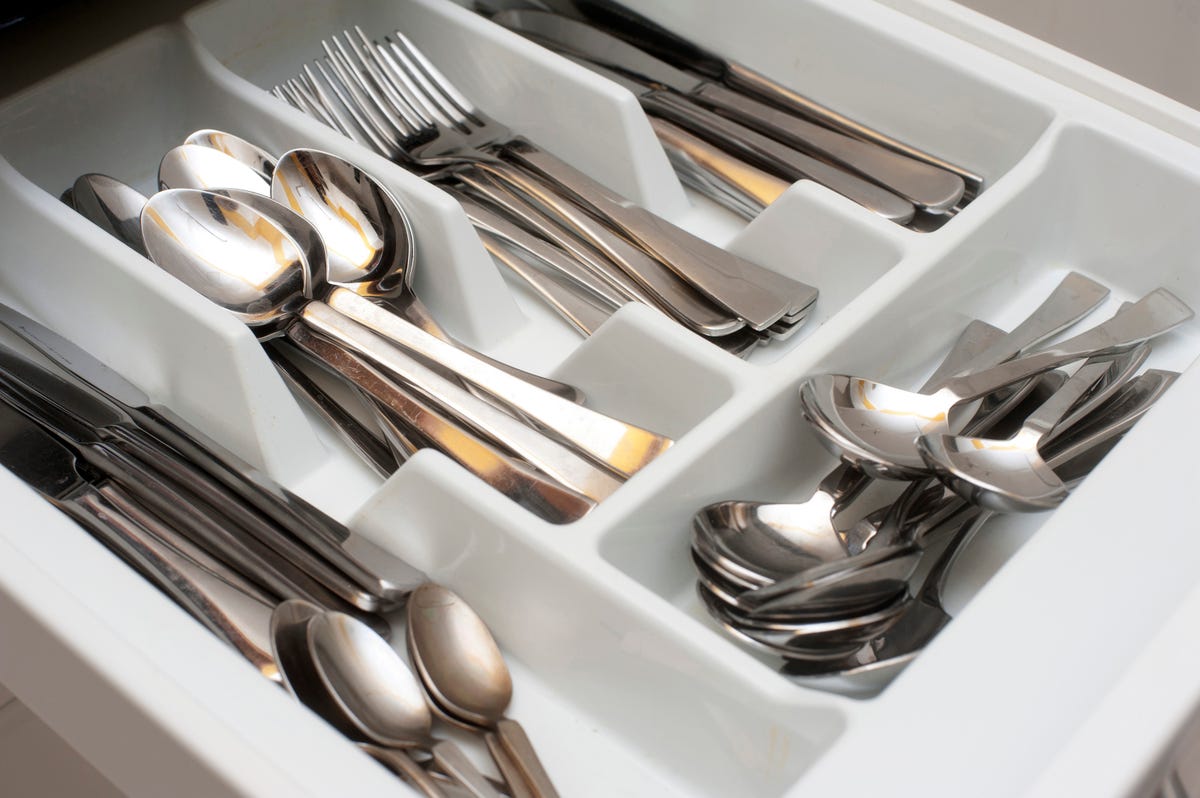
Many utensils are not completely clean after a wash cycle.
Saint Isra/500px/Getty ImagesDirt can easily transfer from a dirty window screen to your glass and make your window dirty no matter when you've cleaned it.
"A clean window's worst enemy is a dirty screen," said Ken Fisk, Window Genie Technical Services Manager.
However, you don't have to do much to clean a screen. Remove the screens, use a dry brush to remove any obvious dirt from the screen, then simply rinse with a hose. Allow the screens to dry by spreading them out on a towel in your yard, then reinstall the screens on your windows.
A remote control is used so often in most homes that it doesn't get a chance to collect dust. However, frequent use is exactly why you should clean them frequently, as remote controls can pick up germs from your hands. Try to clean it with disinfectant wipes at least once a day or as needed.
The front and sides of your refrigerator should be cleaned regularly. Germs outside the fridge can easily get onto your hands, which then touch the foods you eat.
To clean the outside of a fridge, simply close the door and wipe the outside of the fridge with a sudsy cloth. If you have a stainless steel appliance, use a store-bought stainless steel spray to remove fingerprints and dirt.
Peterson recommends a nifty trick if you don't have a stainless steel sprayer: apply baby oil to a microfiber cloth and wipe in the direction of the grain. And as a bonus, baby oil costs next to nothing compared to store-bought cleaning products.

Baby oil is a practical alternative to stainless steel cleaner.
s-cphoto/fake picsFor more tips on cleaning your fridge, read what foods to throw away when you give your fridge a deep clean and how often you should clean it.
