As always, we're wondering: could you guess where this old photo was taken?
If you guessed that this photo was taken at North Quay, Weymouth, well done!
This atmospheric view looks west from North Quay.
A Portland-bound train can be seen heading up the river bank to Rodwell Station, and a few boats in the backwater contrast with the current busy scene.
Westwey Road was not yet built, nor were the major gasworks extensions of 1932, but these have since been removed.
This is what the same view looks like today:
As always, it is thanks to the late Andy Hutchings and his wonderful postcard collection that we are able to bring you these vintage photographs.
We select these products independently. If you purchase through one of our links, we may receive a commission. All prices were correct at the time of publication.
Photo credit: Cavan Images | fake images
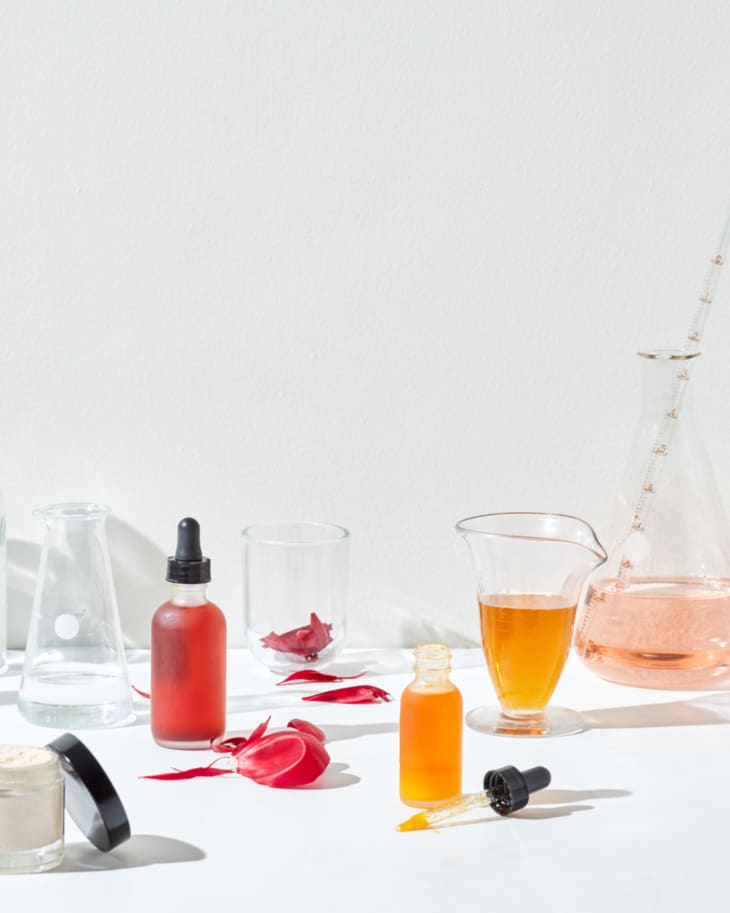
Making your own cleaning solutions using ingredients from your pantry (or medicine cabinet) can be an easy and inexpensive way to clean your home without harsh chemicals. But if you've ever wondered whether these solutions really work or whether mixing certain ingredients is chemically safe, you've come to the right place. These important questions need to be answered before we start making our own sprays and varnishes.
I thought there was no better person than a chemist to ask about the effectiveness of popular homemade cleaning solutions. So I contacted Jamie Mitri, chemical and environmental engineer, founder and CEO of MossPure, to find out more . "The first thing you need to know when making your own cleaning solution is that you should always make sure the percentages of your products are set," says Mitri. "Too much or too little of something in a mixture can reduce its effectiveness, damage certain surfaces, and more."
If you're experimenting with homemade cleaning solutions, Mitri recommends doing thorough research so you don't accidentally mix two ingredients that can produce toxic gases. Acids and bases should not be combined, such as baking soda and vinegar, the same goes for lemon juice and hydrogen peroxide . It's also important to know which ingredients and products are safe to use on specific surfaces to avoid irreparable damage: "Just as you would check the washing instructions for a new shirt, you should do your best to follow the instructions and recommendations provided by the Manufacturer's care and maintenance must be observed. Pay attention to certain surfaces," he says.
She even reviewed eight of the most popular DIY cleaning solutions to reveal which ones are safe and effective, and which ones could put your family at risk. So before you get out your bucket, let's take a look.
1. Furniture polish: olive oil + vinegar + lemon juice
Rating: 2/10
Most furniture polishes are made with harsh chemicals that can cause skin irritation. Therefore, making your own polishes with natural ingredients seems like a safe idea. Right? Although this furniture polish is made from natural household ingredients, Mitri cautions against using this solution on certain surfaces, including wood and metal. "Olive oil is quite slippery and greasy on wood, which can be annoying when used indoors and can also corrode metal," he says. "A few drops of castile soap mixed with water is more effective and versatile."
2. Emollients: White vinegar + water + vegetable glycerin + essential oils
Rating: 3/10
If you prefer liquid fabric softener, you may have used this combination on wash day. However, this is forbidden for Mitri. "Although I probably wouldn't use it, it might have some effect, and ultimately it depends on my preferences," he says. "Warm water, castile soap and essential oils are a better alternative."
3. Window cleaner: vinegar + water + isopropyl alcohol
Rating: 4/10
Although we love this homemade window cleaner , Mitri was hesitant when he heard the ingredients list. Although this recipe only calls for three tablespoons of white vinegar (plus one cup of distilled water and ¼ cup of isopropyl alcohol), it's best to use an even smaller amount of vinegar to start with, as it may cause your windows to fog up.
This homemade cleaning spray uses half a cup of distilled white vinegar with citrus peel, a cup of water, and a teaspoon of castile soap. According to Mitri, the effectiveness of this solution is primarily due to the cleaning power of the foam contained in the soap. This can be helpful on some surfaces, such as kitchen or bathroom countertops. However, we recommend reading the manufacturer's instructions, especially on wooden surfaces with a protective coating, as vinegar and citrus can be too abrasive and cause damage.
Although Mitri was hesitant about the effectiveness of this daily shower cleaner , he ultimately recommended using it occasionally rather than for a deep clean due to its harsh chemical properties. "Shower and bath cleaners should definitely contain an antibacterial agent such as hydrogen peroxide," he says.
6. Carpet and mattress deodorizer: baking soda + essential oils
Rating: 9/10
I use baking soda almost everywhere in my house, including the sink, living room carpet, and mattress . Mitri raves about this combination, but only with natural essential oils (synthetic oils can discolor carpets). She also recommends trying this solution as a natural fabric softener and deodorizer.
Your dishwasher needs regular care and maintenance. So if you are looking for a natural and easy to make dishwasher cleaner , Mitri says YES to this homemade solution. To make these bombs, mix two cups of baking soda, three tablespoons of hydrogen peroxide, and 10 to 20 drops of your favorite essential oil (though Mitri says you can skip it if you're sensitive) to form wet sand. Place it on a sheet of baking paper and let it dry overnight. The next day, your dishwasher pumps will be ready to use - just add one or two to your next load and watch the magic happen.
8. Garbage bombs: baking soda + salt + lemon + dish soap
Rating: 10/10
If there's one DIY cleaning solution that Mitri is most excited about, it's these trash bombs and the many ways to customize them. Lemon, he says, leaves a pleasant scent, while baking soda and dish soap remove dirt and odors. "This is a great option for cleaning up trash , and you can even use cold water or ice and lemon slices," she says. "Cold water that goes down the drain works better than hot water because the heat eliminates odors and makes them last longer."
Ms D, known for her tips and tricks for a clean home, shared the warning with her followers on social media.
He stressed that it is important to let the beds "breathe" in the morning before making them.
At night, warm, damp sheets attract weeds and dirt, which then settle in the bedding when you make the bed early in the morning.
Instead, he says, leave the blankets off for a while after you wake up.
Ms D wrote on Instagram: "It seems like a lot of people get up and make their beds straight away." You should stop doing that.
"Get out of bed, throw away the covers and let your bed breathe.
"At night we not only sweat, but also shed our skin, which is a magnet for dust mites and bed bugs.
"They like damp, humid areas, and some people only let their bed breathe in the summer, thinking it's not necessary because of the cold in the winter.
"But that's not true. When central heating is left on in winter it can attract just as many mites and bed bugs as it does in the summer months."
"So if you make your bed first thing in the morning, you're keeping the moist air in and encouraging the proliferation of dust mites and bed bugs (sounds terrible, but it's true)."
She added: "I know it's nice to see the bedroom clean and fresh and of course we lead busy lives which means it's easy to make the bed before going to work."
"But this will help you a lot. If you don't have an hour in the morning, leave it until you get home and then make your bed... at least you know the air is well ventilated." ".
A sofa is the anchor of your living room, yet it's easy to take it for granted. We can sit on the couch every day (and even take a nap there!), but how often do we actually take the time to show it off? Sure, we can hang up pretty throw pillows or clean up stains when a spill happens, but when it comes to deep cleaning, our couches probably aren't at the top of the list.
Even when cleaning a sofa, it's difficult to know where to start. Should you vacuum? Remove the pillow and cover? Which cleaning products should we use? There are also many different types of sofas, from elegant black leather sofas to cotton sofas with charming patterns, making it difficult to determine the best cleaning strategy. Luckily, there are some clever tips to help you keep your sofa looking as good as the day you bought it. We spoke to several cleaning professionals to find out how to deep clean a sofa.
Start with the label
"When deciding how to clean upholstered furniture, always read the care instructions first," says Mary Gagliardi (aka "Dr. Laundry"), in-house scientist and cleaning expert at Clorox . The care label is easy to forget (maybe you didn't know your couch had one!) and is usually located under the cushions.
Upholstery care symbols typically include:
W: Water-based cleaning solution
S: Solvent based cleaning solution
W/S: Water or solvent can be used
X: No cleaning is permitted other than vacuuming.
Marica Dacey, third-generation cleaning professional at Amodex , points out that even if you look at the label first, it's always best to remove a pillow and test the product you're using in an invisible corner first, to make sure it works.
How to clean a suede or leather sofa
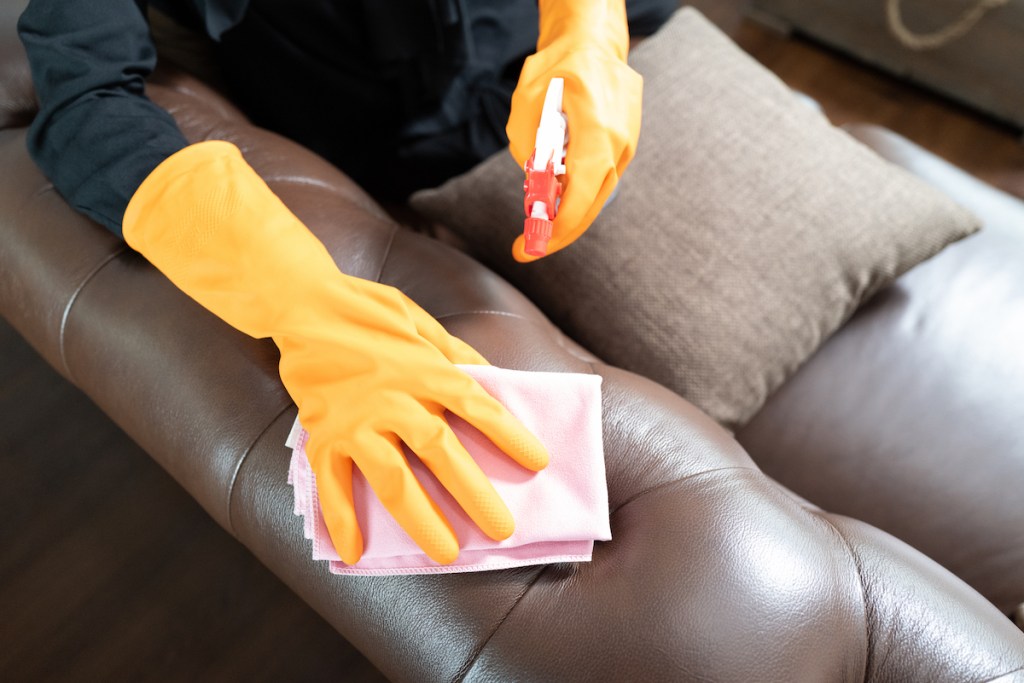
Cleaning leather and suede sofas can be the most intimidating. "Leather is very absorbent," says Dacey. "You might think that a small stain is a small stain, but it actually absorbs it like a sponge, making it take longer to clean," he adds. Patience is key: "You should let the cleaning solution work on leather longer than on other fabrics to remove the stain and the fabric." »
Cleaning a leather sofa can be difficult, but it's worth it!Navinpeep/Getty Images
Some brands make leather cleaning wipes that are "convenient to use and clean and moisturize finished leather simply by rubbing the surface," says Gagliardi. Before using the cloths, however, "be sure to vacuum the couch first and then dust all surfaces with a barely damp microfiber cloth," she notes.
Gagliardi says that while natural suede generally requires professional cleaning and should not be treated with water or cleaning solutions, synthetic suede like Ultrasuede and Microsuede "can generally be cleaned with water-based cleaning solutions as long as you want to try the product." After treating a faux suede sofa, "you will probably need to brush the fabric to restore the fibers," he notes.
Is there anything else you should consider? "Leather and faux suede sofas often appear to have a water stain after removal," says Dacey. This might make you panic and think you've made the stain worse, but Dacey has a clever trick to keep things under control. "Have a hairdryer handy when cleaning and rinsing," she says. "Keep it in a cool or warm place and since the sofa feels damp, use the dryer on the suede or leather. This will prevent a water stain from appearing or disappearing. This hair dryer trick even works on delicate fabrics like silk!
How to clean a fabric or microfiber sofa
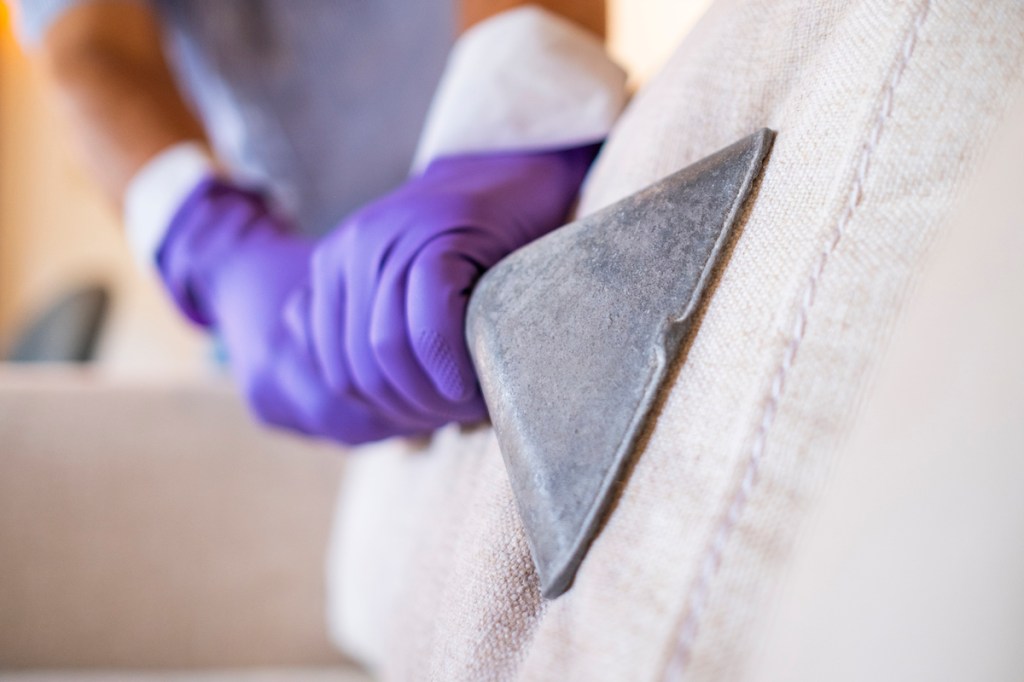
"With fabric and microfiber, the weave of the fabric is wider and rougher than that of leather or suede," making these sofas easier to clean than those made of leather or suede, says Dacey. "Microfibers and fabrics are designed to withstand impact," he adds. Dacey enjoys using an upholstery cleaning machine on her own sofa, but admits it can be expensive. If you have one of these devices, it can help you perform a deep cleaning more efficiently. However, if not, you need to be as patient as possible. "Some cleaners need to sit for an hour or two before rinsing, especially if it's a larger stain," she notes.
Vacuuming your fabric sofa is always a good idea.Sergio Mendoza Hochmann/Getty Images
You'll also typically want to vacuum your fabric or microfiber sofa using your vacuum's upholstery attachment, says Gagliardi. "Sofas with fabric or cloth coverings marked "W" or "W/S," including microfiber sofas, can usually also be treated with a water-based cleaning solution," he notes. For smaller or newer stains, "spray the cleaning solution directly onto the stain and let it sit for 3 minutes." Then blot with a damp cotton cloth to rinse, then blot again with a clean, dry cotton cloth to remove moisture ", he says. He points out that products containing hydrogen peroxide are particularly effective in this case.
How to clean sofa cushions
"For sofa cushions, you should go this route if you can remove them, clean them and wash the covers," says Dacey. She warns: "Sometimes fabrics become very stiff when drying. So when you try to put the pillow back in place, the zipper won't close. This can be frustrating, but there's a good way around it. "Cushion pillows while they're still slightly damp," she says. "This little extra moisture gives the fabric a suppleness that it wouldn't have when dry, and makes putting the cushions together much easier." Cleaning is also not necessary. Pillow unless there is a large stain. "The fabric of the cover tends to absorb everything before it reaches the pillow," he says.
Gagliardi says you should try to clean different parts of your sofa regularly - you don't want one part of your sofa to stay clean and fresh while another part stays dirty! She explains, "If you use an upholstery attachment on a steam cleaner to clean the body of the sofa, do the same for the cushions." Once the cushions are clean, "place them on their side, away from the couch, on a sofa clean towel while they air dry," she says. "This allows for better air circulation and speeds up drying time."
If you want to save time cleaning your sofa cushions, Gagliardi also points out that some fabric covers are even machine washable.
How often should you clean a sofa?
The best part? You don't even have to deep clean your sofa that often! While how often you clean your sofa depends on your personal preference and whether you have children or pets, even professionals don't do it as often as you think. "I should probably deep clean the couch more often," Gagliardi admits, "but by regularly vacuuming and spot cleaning, I save more time between deep cleans and always have a couch ready for guests." Similarly, Dacey says she only does it about once carries out a thorough cleaning every year. "You might be surprised that you don't have to do major cleanups if you go beyond the smaller ones," he says.
A clean sofa is a happy sofaKathrin Ziegler/Getty Images
Two recipes for cleaning the sofa
If you're not sure how best to clean your sofa, you can try a homemade all-purpose cleaning formula. Poplin laundry specialist Laurie Fulford has exactly what you need. "I would recommend the same two 'recipes' for cleaning faux suede, fabric and microfiber sofas," he says.
"The first mixture is simply half a cup of white vinegar mixed with a cup of warm water," he explains. "Use a sponge to rub and clean the stain."
"The second mixture is a pinch of baking soda, a small amount of water and a little mild dish soap," he says. "The goal is to create a paste that you can spread over the stain. Leave it on for 5 to 10 minutes and then wipe it off with a damp cloth.
You probably already have everything you need to prepare these cleaning solutions, and Fulford says they work on many different types of sofas. You can also use them on fabric sofa cushions. "Fill your bathtub with warm, soapy water and submerge the pillows once the water is full," she says. "Massage the pillows to evenly distribute the soap mixture. Rinse the pillows well, wrap them in towels to absorb as much water as possible, and then allow them to air dry. Who would have thought that there were such simple recipes for cleaning the sofa?
"Some people say you should outsource couch cleaning," says Dacey. He admits that "it can be intimidating, but if you follow a few rules at the start, the process will be much easier." With the above pro tips for deep cleaning a sofa, keeping it looking stylish will be easier , than you ever thought possible!
BOGO never felt so good Whether you're looking for better sleep, reduced anxiety, pain relief, or just relaxation for your mind, these award-winning CBD gummies from Sky Wellness are for you! Available in a variety of flavors, this BOGO special is not to be missed. Learn more at SkyWellness.com.
It's no secret that not all TikTok cleaning trends actually work. And unfortunately, there's another viral cleaning hack that could ruin your furniture. Popular TikTok videos talk about cleaning sofas, headboards, and other upholstery with detergent pods.
While this trend isn't dangerous like the Tide Pod challenge videos of the 2010s, it's still unnecessary. And it can cause lasting damage to your upholstered furniture , not to mention skin irritation and respiratory problems.
If you haven't seen the viral videos with the hashtag #cleantok, we're going to break them down. Read on to learn what it means, why it's not worth trying, and how you can better keep your upholstered furniture clean.
What is the trend in Tide pod cleaning?
As the name suggests, the technique involves cleaning furniture using laundry pods. In the viral videos, the creators place a pod in a container and pour boiling water directly over it so that it begins to dissolve. Then take a cleaning rag or kitchen towel, wrap it tightly around the lid of a small pot and dip the flat side into the soap solution.
Next, the creators of the video clean their fabric furniture using the fabric-covered pot lid. The immediate effects seem impressive as visible blemishes and blemishes seem to magically disappear. And designers often add that their sofas smell divine once they're finished. But in reality, the consequences are short-lived and result in permanent damage to the furniture and your family, especially your pets!
Why is the Tide Pod Cleaning Trend a Bad Idea?
If you read the comments on these videos, you'll notice that many viewers are skeptical about the cleaning technique or completely disappointed with the results after trying it at home. And while many other people have said this tip works wonders, it's a quick fix that will actually damage your furniture over time. There are two main reasons why we don't recommend trying this trend.
1. Causes premature wear of furniture
Viral TikTok videos are attractive because you can see spots and dirt disappear. But instant gratification doesn't justify long-term wear and tear. Because the makeshift cleaning tool is soaked in water and a strong chemical, rubbing it firmly on the fabric can cause pilling. Worse still, moisture can penetrate the fibers and cause mold to form. Before you know it, your furniture could suffer irreparable damage. As anyone who has ever bought a sofa knows, sofas are an investment , so shortening their lifespan is not a wise decision.
2. Causes skin irritation.
Laundry capsules are highly concentrated and suitable for washing the clothes of an entire family. Therefore, using an entire capsule on a single piece of furniture leaves quite a bit of chemical residue all over the surface. You, your children, your guests and possibly your pets sit or lie on the same surface. This is particularly harmful to people with skin sensitivities or allergies. This can lead to rashes, dermatitis, or other problems over time. Additionally, the lingering smell can irritate a person's respiratory system or cause headaches in those who are sensitive to strong odors.
Best Ways to Clean Upholstered Furniture
Now that you know the potential risks associated with using Tide Pods on upholstered furniture, it's wiser to err on the side of caution and skip the trick altogether. If your sofa desperately needs a thorough cleaning, there are alternative, safer ways to do it.
If you've already tried the wash pod method, TikTok commenters recommend vacuuming the entire surface with a vacuum or carpet vacuum . This will help absorb any remaining moisture and detergent residue.
However, the ideal is to skip the modules and go straight to one of the following methods for cleaning furniture. Always check the cleaning instructions (there are four in total) or the manufacturer before trying anything on new furniture. A potentially easier solution is to simply remove the sofa cushion covers (if available) and wash them separately.
This velvet furniture cleaning process is not much different than microfiber cleaning. However, keep in mind that you must be very careful when vacuuming so as not to damage the more delicate velvet. Treat stains as quickly as possible with a little soapy water and a soft cloth in one direction. You can also steam the fabric to smooth the fabric, or use a brush to remove lint and dirt to reduce the frequency of vacuuming.
How to clean clothes
As with velvet, it's best to use a light touch when treating linen furniture. Mix small amounts of clear dish soap, baking soda, and white vinegar to form a paste. Gently rub the dirty areas, let the mixture work for a moment and then vacuum completely.
How to clean polyester
Depending on the label, you can use a commercial cleaner made for polyester or make a homemade solution using warm water, mild detergent, and white vinegar. After cleaning dirty areas, smooth the fabric with a soft-bristled brush.
How to clean wool
Although wool lining is quite durable, it is recommended to clean it with water only. First, run a vacuum cleaner or hood over the fabric, then rub the stains in a circular motion using a microfiber cloth dampened with warm water.
How to clean the caterpillar
Chenille is delicate because it can absorb moisture more quickly than other materials. Therefore, it is important to treat spills immediately by soaking them up with a dry towel and applying spot treatment if necessary, emphasizing that they are safe for use on the track. Do not leave it on longer than directed before drying the cleaner.
If you purchase something through our links, we may earn money from our affiliate partners. Get more information .
Choosing the best pressure washer is crucial for keeping a commercial building tidy or cleaning your car. We all have different reasons why we need a pressure washer. Therefore, choosing the best pressure washer mainly depends on what you need it for. There are two main types of pressure washers: electric pressure washers and gas pressure washers. Most cleaning jobs in private households can be easily carried out with an electric high-pressure cleaner. However, if you need a little more power and intensity, a gas pressure washer is the best solution.
Make the right choice: electric or gas pressure washer for business needs
Choosing the best pressure washer can have a direct impact on the efficiency and presentation of your business or the quality of your work. This choice can be crucial in ensuring the cleanliness of commercial facilities, buildings or vehicles. It's not just about cleaning, it's about achieving exceptional results that maintain the reputation of your business or service.
Important considerations:
Type of task :
For light tasks such as cleaning windows, garden furniture or vehicles, an electric pressure washer is usually required. They are easier to use, quieter and suitable for these tasks.
Heavy-duty tasks like cleaning commercial spaces, removing paint, or deep cleaning surfaces benefit from the powerful performance of gas pressure washers.
Portability :
Electric pressure washers are generally lighter and easier to move. Ideal if you are cleaning multiple areas.
Gas pressure washers may be heavier, but they are more versatile because they do not require a nearby power source.
Costs and maintenance :
Electric models are usually cheaper, but may not last as long if used frequently.
Gasoline models may be more expensive, but their durability and performance can add value to businesses that require regular, intensive cleaning.
Information for employers and employees :
Always read the instruction manual before using a pressure washer. It contributes to the longevity of the device and ensures safety.
Consider investing in multiple nozzles. Different tasks may require different print settings.
Inspect and maintain your pressure washer regularly to keep it functioning safely and efficiently.
Best Choice:This is arguably one of thebest gas pressure washers forDIYers looking for maximum performance with minimal investment. A powerful, reliable and maintenance-free cam pump delivers 3100 PSI at 2.4 GPM and features thermal relief to prevent overheating. The compact and lightweight design also allows for easy transport. Easy to assemble and use, this pressure washer is ideal for cleaning garden furniture, patios, house facades and preparing home or business facades for painting.
Runner-up:This pressure washer has enough power and power to remove dirt from even the toughest cleaning jobs. It is made of a sturdy steel frame and features a powerful212cc four-stroke Westinghouse horizontal shaft engine. You can also swap out the nozzle heads to meet your specific cleaning needs for the day. 2700 PSI and 2.3 GPM powerful water pressure make this machine ideal for cleaning walkways, patios, railings, garage floors, cars, patio furniture, exterior walls and fences.
Best Value:We like this pressure washer for its portability. Despite its small size, it has enough power (13 amps, 1800 PSI electric motor) to quickly clean patios, windows and garden furniture. The three included nozzles can be easily stored in the device, so you don't have to worry about losing them. This pressure washer also comes with a 3-year warranty.
SIMPSON PowerShot is the best commercial pressure washerfor contractors specializing in patio cleaning, paint prep, graffiti removal, wood restoration and all other professional cleaning services. It uses a premium Honda engine designed for optimal performance and reliability. It is also sturdy and portable thanks to the welded steel frame and tires that allow for easy maneuverability.
If ease of use and performance are important to you, then you should check out this electric pressure washer. Generates up to2150 PSI, 1.4 GPM and up to 13 amps of power. It has a telescopic handle and two wheels that make mobility much easier. This washing machine is ideal for cleaning gardens and patios as well as cleaning cars and sidewalks.
Greenworks TruBrushless electric brushless pressure washer
The Greenworks pressure washer gives you the power you need to clean your home, business or car. It uses a 14 amp TruBrushless motor thatproduces 3000 PSI and 2.0 GPM for maximum cleaning performance. It is also equipped with a sturdy metal gun and a kink-resistant hose.
As the name suggests, this petrol pressure washer will allow you to complete your cleaning up to 50% faster. Pressure nozzles are specifically designed to clean four times faster than standard nozzles. The turbo nozzle is also designed to remove stubborn dirt from hard surfaces faster than standard nozzles.
CRAFTSMAN makes a wide range of reliable power tools and this pressure washer does not disappoint. It is durable, mobile and powerful. It produces up to 2400 PSI and is also complemented by four nozzles that make cleaning easier.Integrated storage for lance, hose, cables and nozzles provides space for storing these accessories.
Equippedwith a 13 amp motor, this electric pressure washer produces up to 2,300 PSI and 1.48 GPM of pure cleaning power, enough to remove tough stains. It also comes with a 34-inch spray wand for hard-to-reach dirt, a 20-foot high-pressure hose, and smooth-rolling wheels for maximum maneuverability.
This Briggs & Stratton gas pressure washer features a powerful 63cc engine and easy-start technology that eliminates the need to rev the engine to start. Four quick-release spray tips allow you to easily change spray patterns and intensity. The foldable handle design also allows for easy transportation and storage.
The best pressure washer should have enough power to clean surfaces without damaging them. Compact, lightweight machines are preferable if your work requires mobility. Here are some additional things to keep in mind:
PSI:Pounds per square inch (PSI) are commonly used to measure the pressure of gases or liquids. The higher the PSI, the higher the water pressure when cleaning. Make sure the PSI matches the surface you want to clean as too high a PSI can damage the surface. Thebest commercial pressure washer has a PSI of over 2800 for intensive cleaning.
Performance:The power generated by the high-pressure cleaner is equally important. The easiest way to figure this out is to multiply gallons per minute (GPM) by PSI to find purification units (CU). The more CUs, the more powerful the machine.
Nozzles:Most pressure washers come with three or four nozzle tips. Nozzles typically range from zero degrees, to project a direct stream of water, to 65 degrees, using a larger orifice to slow speed and increase hose pressure. The larger the nozzle area, the more powerful the jet.
Portability:Compact and lightweight pressure washers are easier to transport. Some washing machines have an integrated wheel system for added maneuverability.
Hot vs. Cold Water:Cold water presses are generally cheaper and less complicated to use than hot water presses. On the other hand, hot water equivalents require less soap and water for cleaning and can also be used to disinfect surfaces.
You May Also Like:
Get discounts, special offers, and more with an Amazon Business Prime account. You can create a FREE account today to get started.



:quality(70)/d1hfln2sfez66z.cloudfront.net/09-21-2023/t_8cd60483a09e44a19482a7b11e56d2b7_name_Untitled_design___2023_09_20T041748_235.jpg)


:strip_icc()/patterned-pillows-midcentury-blue-sofa-619ba612-ec3bd0cabe2a458186498e978be3ba5d.jpg)


